
A 2009 Red Cross study found that more than half of all Americans had personally experienced an emergency in which they’d either lost power for three days, had to evacuate or had to provide serious first aid to others. Yet the same survey found that only 12 percent of Americans had taken adequate disaster-preparedness steps.
For the wise few who take initiative, the Popular Mechanics Disaster Prep Guide is an invaluable resource. It includes tips on how to prep your house for blackouts, floods and hurricanes, plus tips on clean-up and repairs post-disaster.
If you feel overwhelmed by the thought of preparation, keep this in mind. You don't have to prepare for everything. It's impossible, so trying is counter-productive. You only need to prepare for the disaster that is most likely to take place where you live. For example, it would be silly for me to prepare for a hurricane living in Kansas. Tornadoes are the most common disaster in Kansas, so that should be my prep focus. Blackouts are fairly common and can happen anywhere, but fortunately, prepping for a blackout is fairly easy.
That brings me to another point. Self-reliance isn't selfish.
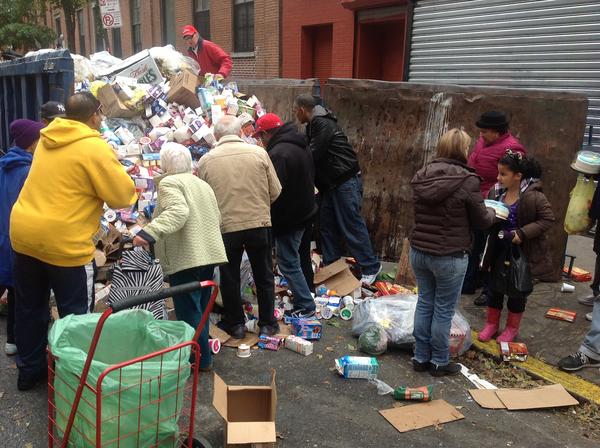
When it comes to large-scale emergencies, the country has a hidden weapon--and we can do more with this resource. I'm talking about a populace filled with self-reliant, community-minded individuals. During a major crisis, on the order of Katrina or a serious California earthquake, relief services can be overwhelmed [or, in the case of NYC, incompetent]. When individuals are prepared to look after themselves for a while, with food, water and medicine on hand, and alternative sources of heat or power, it makes a big difference. The government can't take care of everybody at once. If disaster-relief staffs don't have to worry about you, they can take care of others--which means that being self-reliant can actually help your community.So get preppin'. You'll be glad you did.
Further quick reads from Popular Mechanics:
How to Disaster-Proof Your Life
How Self Reliance Can Get You Through Any Disaster

No comments:
Post a Comment